A Shopify product description that ranks does two jobs: it helps search engines understand exactly what the product is, and it helps a shopper decide to buy. Write a specific title, open with the main benefit, cover the facts people search for in scannable bullets, set a separate SEO title and meta description, and add alt text to every image. Write it in your own words, never copied from the supplier.
This guide breaks down each part of a listing with examples, the mistakes that hold stores back, and a checklist you can use for every product.
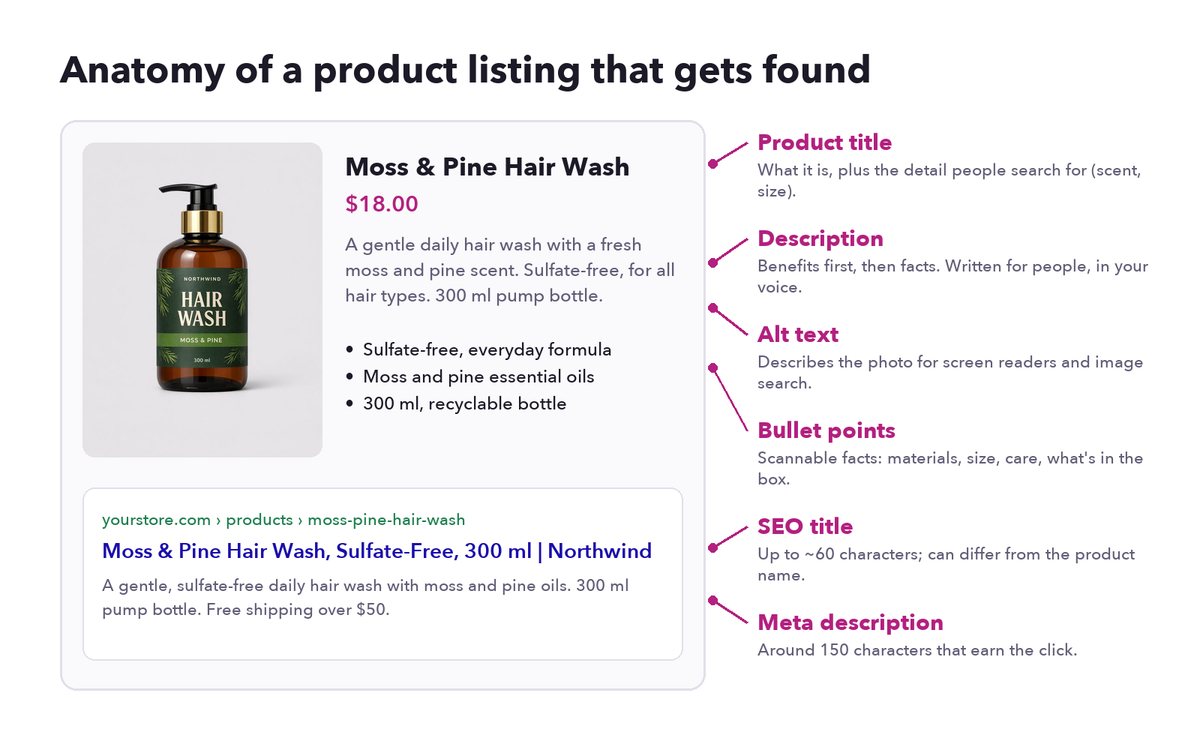
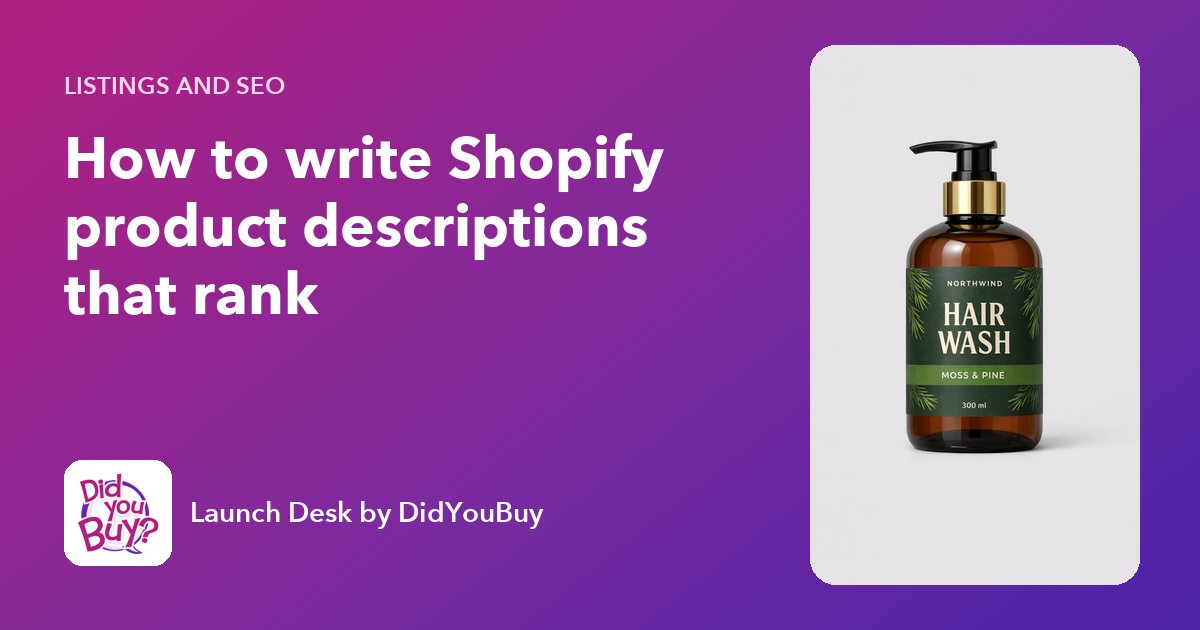
The six parts of a listing that matter for search and for sales.
Why product descriptions matter for search
When someone searches “sulfate-free hair wash pine”, search engines look for pages that clearly match. Your product page competes with every other store selling something similar. The pages that win are specific, unique and genuinely useful, and they’re easy for both people and search engines to read.
Many small stores lose here without realizing it. They copy the supplier’s description (the same text appears on dozens of other stores), leave the SEO title as just the product name, skip alt text, and write one vague paragraph. Each of those is an easy fix.
1. The product title
The title is the first thing shoppers and search engines read. Make it say what the product is, plus the detail people search for.
| Weak | Better |
|---|---|
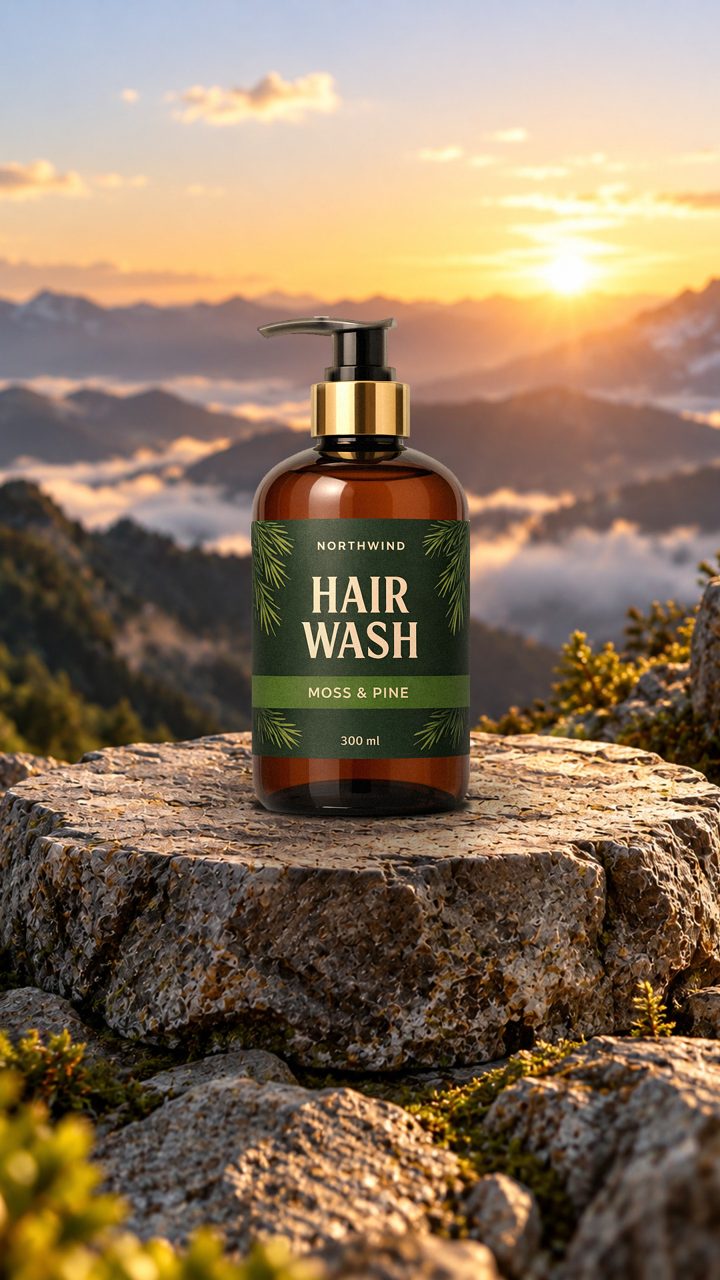
| Moss & Pine | Moss & Pine Hair Wash, 300 ml |
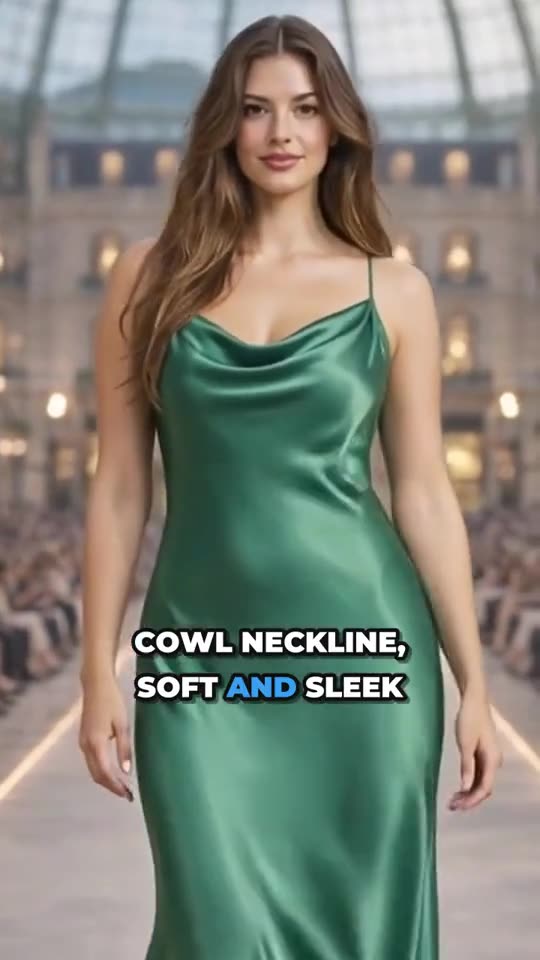
| Evening Gown | Emerald Satin Evening Gown with Cowl Neck |
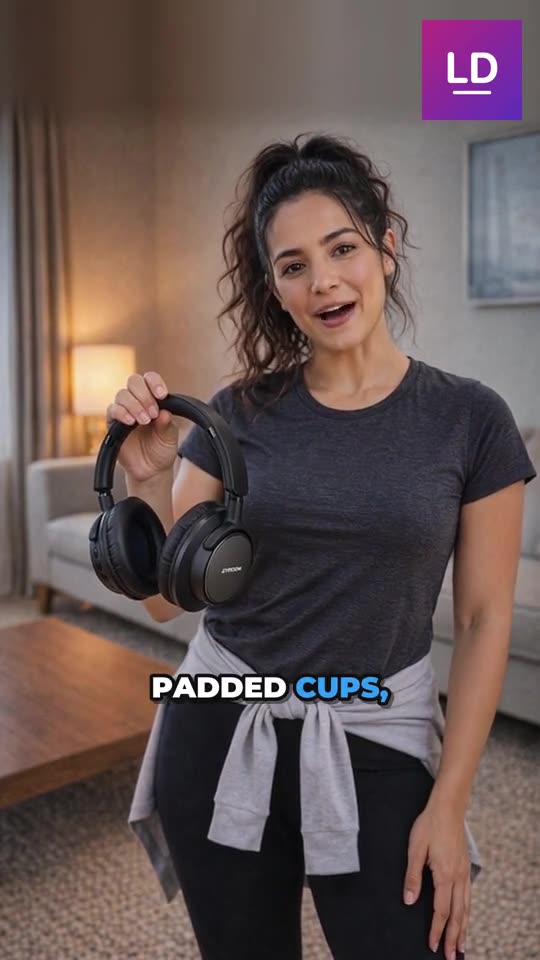
| Wireless Earbuds Pro | Wireless Sports Earbuds with Charging Case |
Tips:
- Lead with what it is, then the distinguishing detail (scent, color, size, material).
- Keep it readable. Not a list of keywords; a name a person would say.
- Be consistent across a collection so products line up neatly.
2. The description
Open with a short paragraph that says what the product is and why someone would want it, then give the facts.
A simple structure:
- Opening (1–3 sentences): the main benefit and who it’s for.
- Bullet points: materials, size, ingredients, compatibility, care, what’s in the box.
- Details paragraph (optional): how to use it, how it’s made, what makes it different.
- Practical info: shipping, returns, sizing, linked or summarized.
Example:
A gentle, sulfate-free hair wash with a fresh moss and pine scent, made for everyday use on all hair types.
- Sulfate-free, everyday formula
- Moss and pine essential oils
- 300 ml pump bottle, recyclable
- Suitable for color-treated hair
Massage into wet hair, rinse, and follow with conditioner. The pump locks for travel.
Write for people first. Use the words your customers use (if they say “shampoo”, say “shampoo” somewhere). Mention the specific details people search for naturally, once or twice, not stuffed into every sentence.
Write it in your own words
Suppliers’ descriptions are useful for facts, but don’t paste them in. The same text on many stores gives search engines no reason to choose yours, and the supplier’s words may not be yours to use. Take the facts (dimensions, materials, ingredients) and write the description in your store’s voice.
3. Bullet points that answer questions
Most shoppers scan. Bullets are where they look for the answer to “will this work for me?” Good bullets are specific and factual:
- Materials: “100% organic cotton, 220 gsm”
- Size: “Fits 13-inch laptops; 34 × 25 × 2 cm”
- Compatibility: “Works with iPhone and Android”
- Care: “Machine wash cold, hang dry”
- In the box: “Earbuds, charging case, USB-C cable, 3 ear tip sizes”
If customers keep asking the same question in messages, the answer belongs in a bullet.
4. The SEO title
In Shopify, each product has a “Search engine listing” section where you can set the page title search engines show. It can be different from the product title, so use it to add a detail people search for and your brand.
- Product title: Moss & Pine Hair Wash, 300 ml
- SEO title: Moss & Pine Hair Wash, Sulfate-Free, 300 ml | Northwind
Aim for about 50 to 60 characters so it isn’t cut off in results.
5. The meta description
The meta description is the short summary under your title in search results. It doesn’t directly change rankings, but it affects whether people click. Aim for about 150 to 160 characters, lead with the benefit, and include a reason to choose you.
A gentle, sulfate-free daily hair wash with moss and pine oils. 300 ml pump bottle. Free shipping over $50.
(Only mention offers you actually have.)
6. Alt text for every image
Alt text is a short written description of an image. Screen readers read it aloud, and search engines use it to understand the image, which matters for image search.
| Weak | Better |
|---|---|
| image1.jpg | Amber pump bottle of Moss & Pine hair wash on a white background |
| hair wash | Moss & Pine hair wash on a rock at sunrise, label facing the camera |
Describe what’s in the image, specifically, in one sentence. Don’t stuff keywords. Every image on the page, including lifestyle and studio images, deserves its own alt text.
Common mistakes that hold stores back
- Copied supplier descriptions. The biggest and most common one.
- Vague titles like “Classic Tee” with no detail.
- One block of text with no bullets.
- No SEO title or meta description, so search engines guess.
- Missing alt text, or “IMG_4021” as alt text.
- Claims you can’t support, especially health and “best” claims.
- Inconsistent voice across products, which makes a store feel thrown together.
A checklist for every product
- Title says what it is plus the key detail
- Opening sentence gives the main benefit
- Bullets cover materials, size, compatibility, care, what’s in the box
- Written in your words, not the supplier’s
- SEO title set (about 50–60 characters)
- Meta description set (about 150–160 characters)
- Alt text on every image
- Price, variants, stock and collections correct
Doing this for many products at once
Writing a great listing takes a while. Writing fifty of them takes a week, which is why so many stores fall back on copied text.
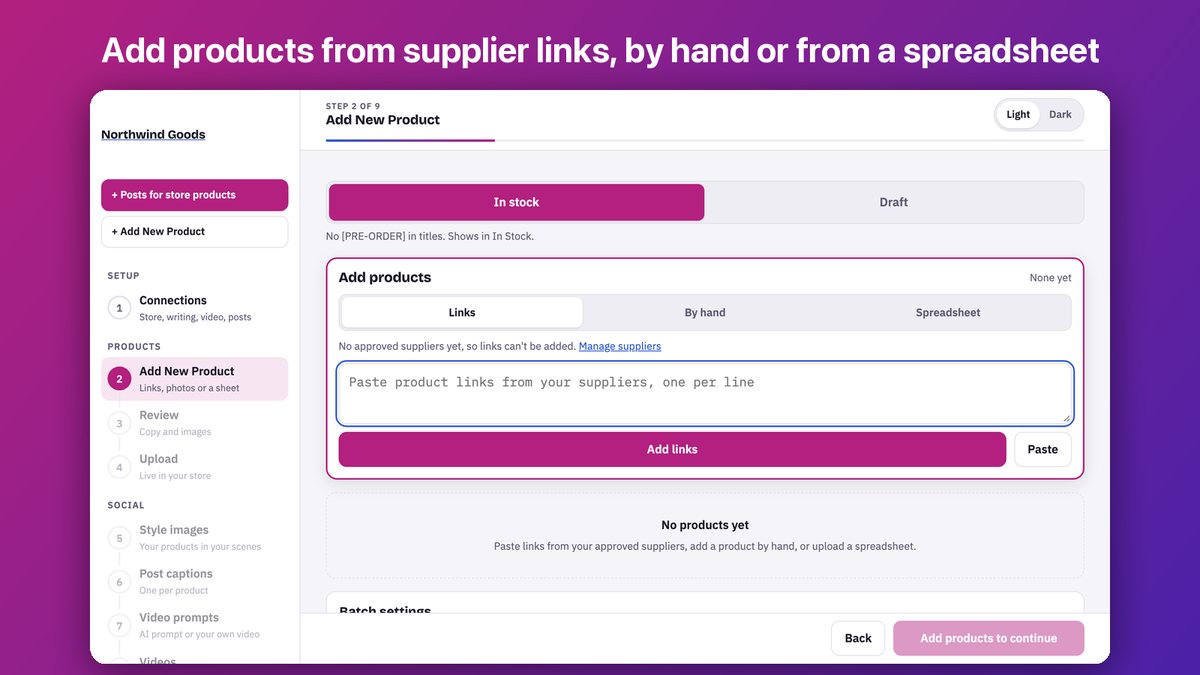
Add new products from approved supplier links, by hand, or from a spreadsheet.
Launch Desk writes complete listings for Shopify: the title, description, tags, SEO title, meta description and alt text, in your store’s voice, from a supplier link you’re allowed to use, your own photos, or a spreadsheet. It uses the supplier’s facts but writes the listing new, and you review and edit everything before it’s uploaded to Shopify as a draft or live product.
See AI product listings, install Launch Desk from the Shopify App Store, or schedule a demo.
Already have your listings? Launch Desk also turns the products already in your store into social posts without changing them.